Kimmo Sarje
Basic information
b. 1951, Helsinki
Artist, Critic, Curator
Residence: Helsinki
Contact information
Phone number: +358407576131
Email: sarje@muu.fi
Artist’s Statement
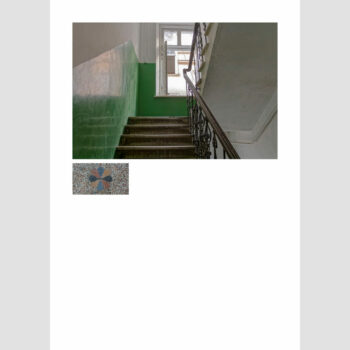
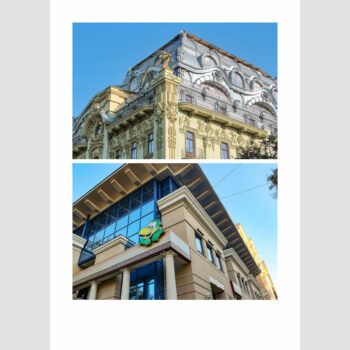
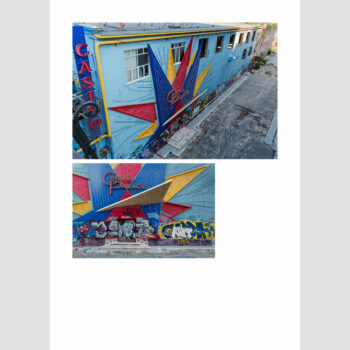
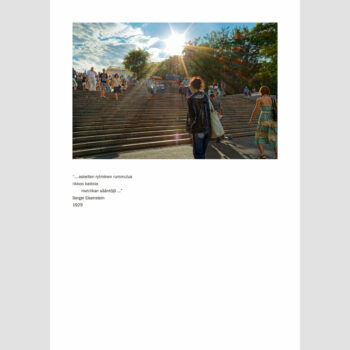
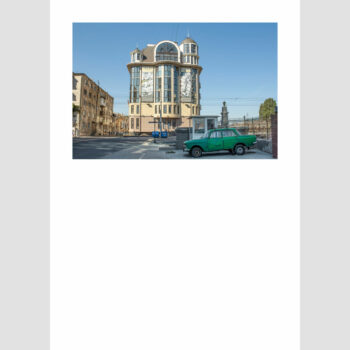
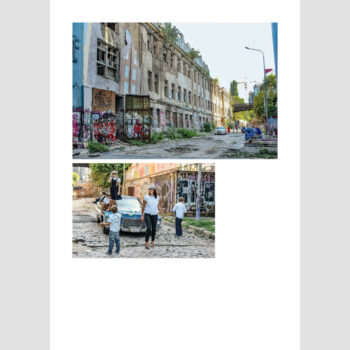
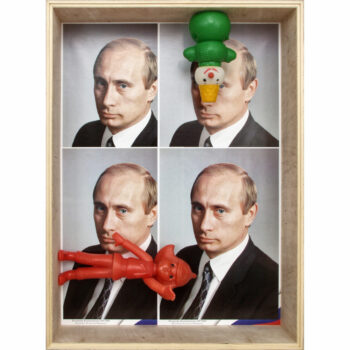
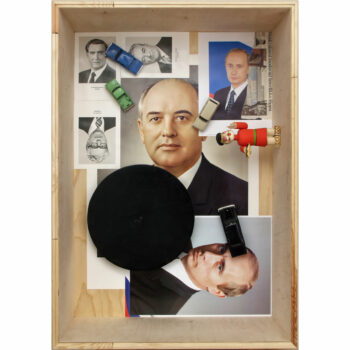
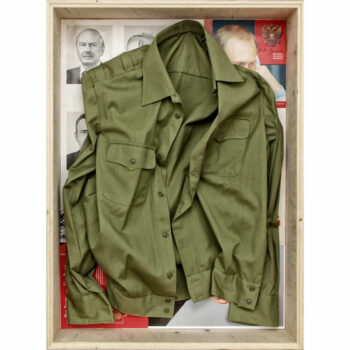
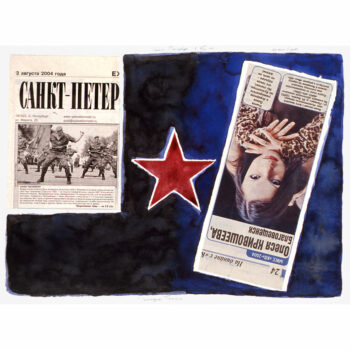
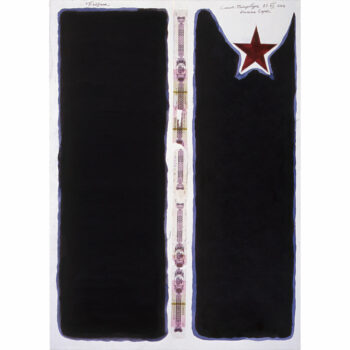
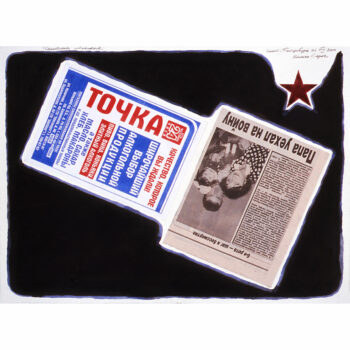
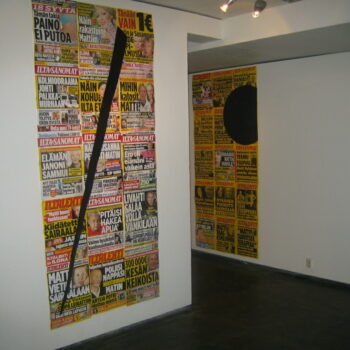
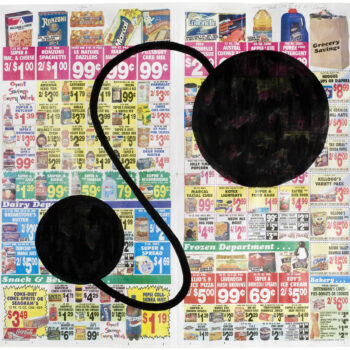
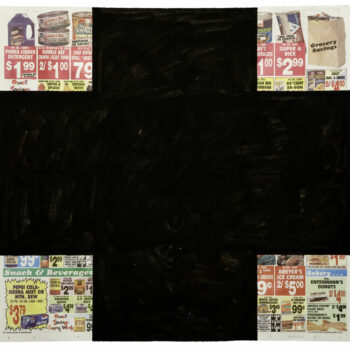
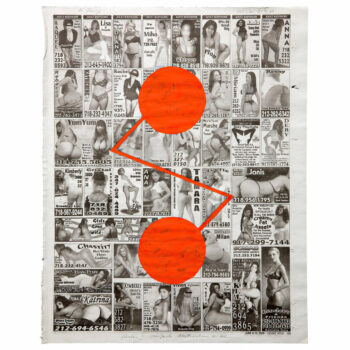
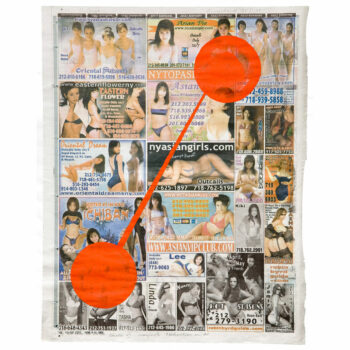
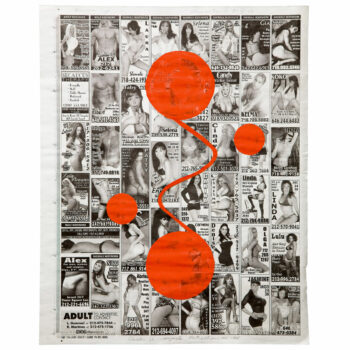
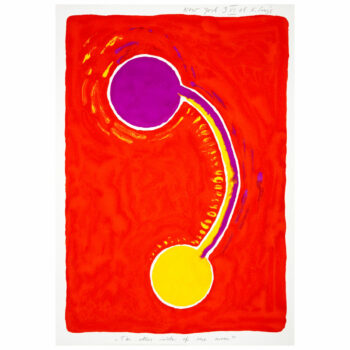
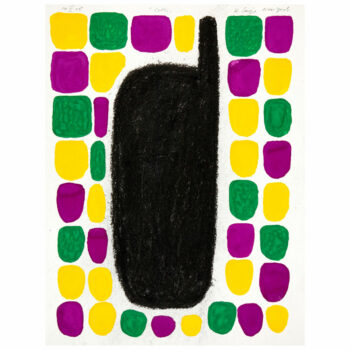
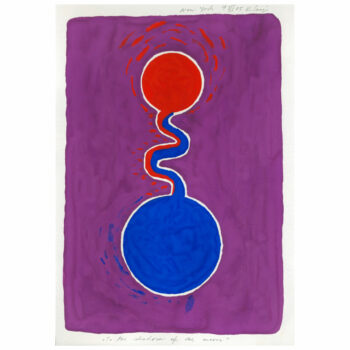
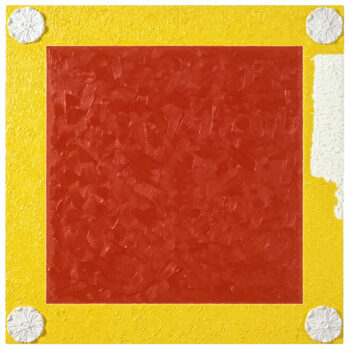
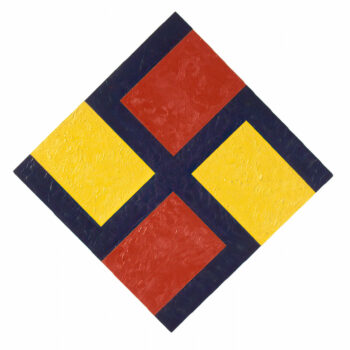
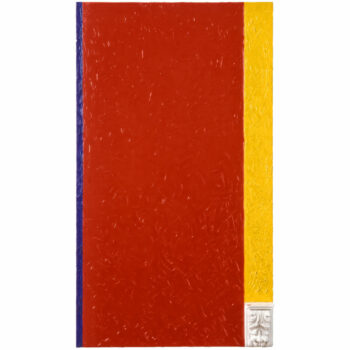
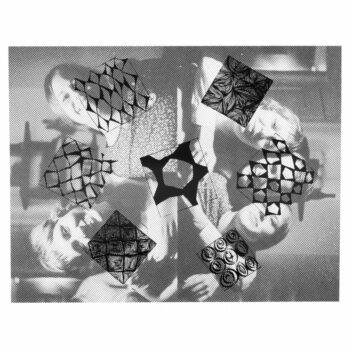
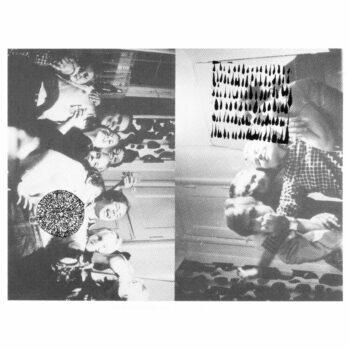
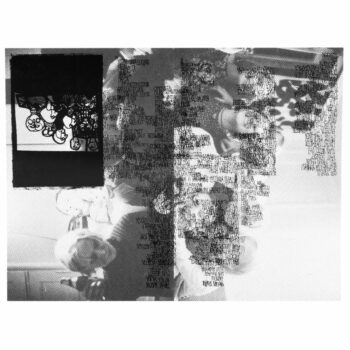
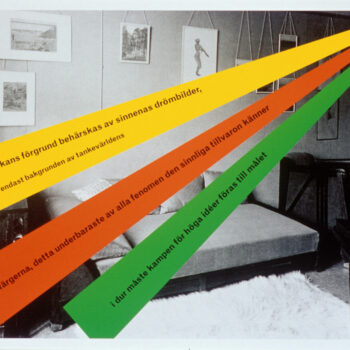
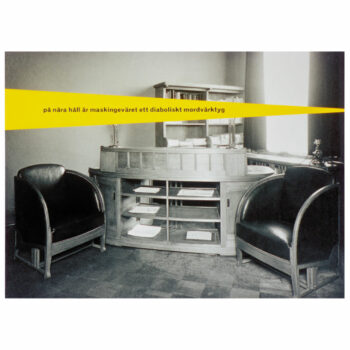
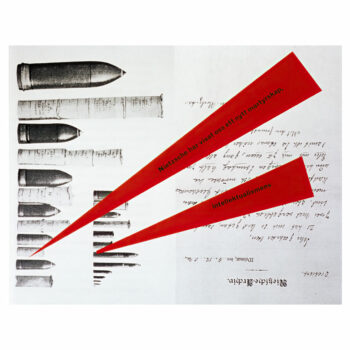
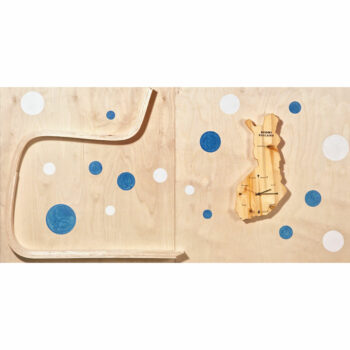
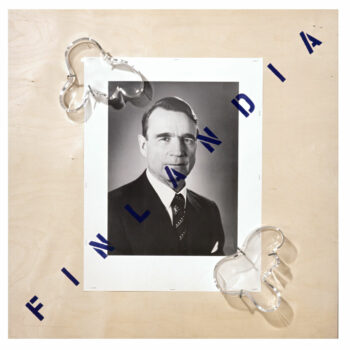
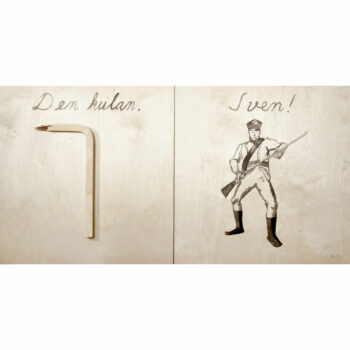
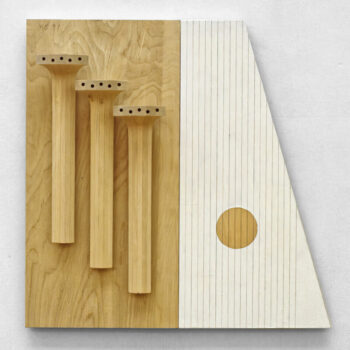
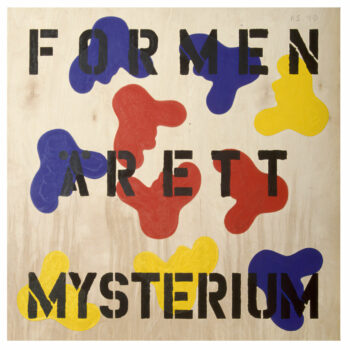
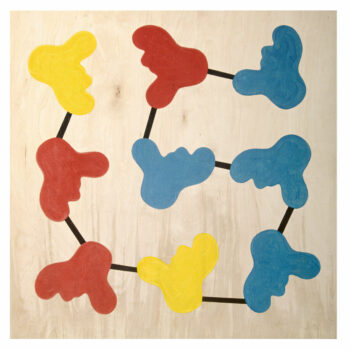
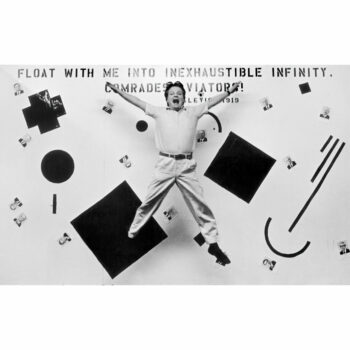
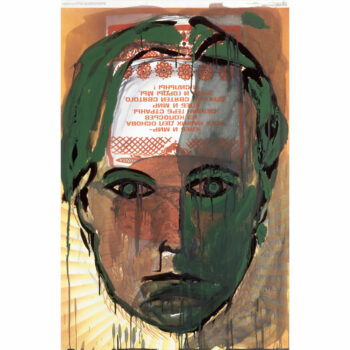
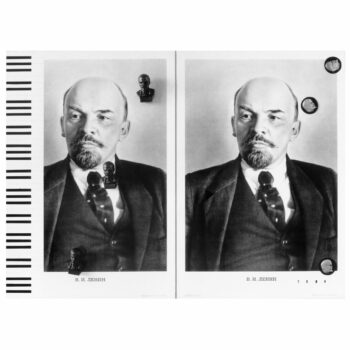
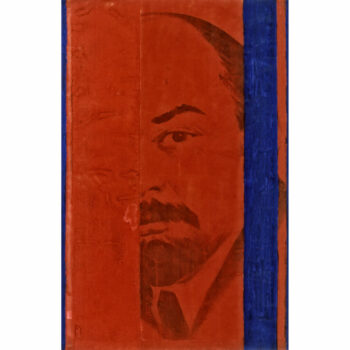
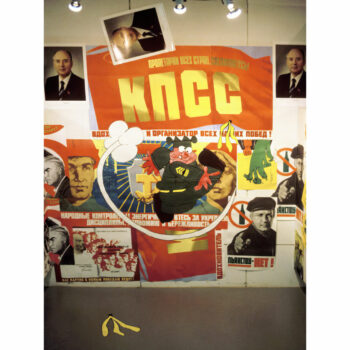
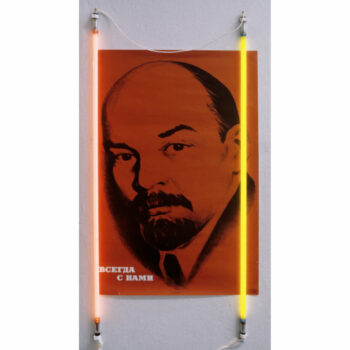
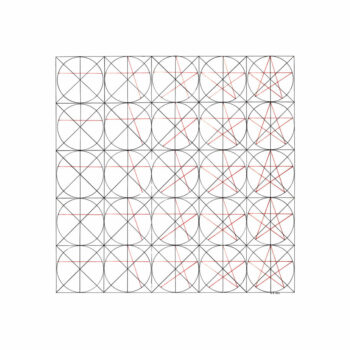
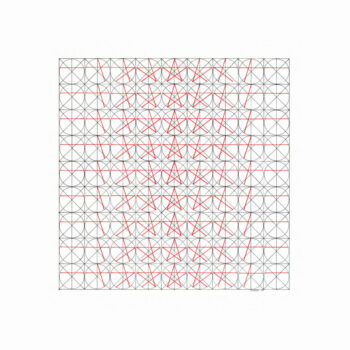
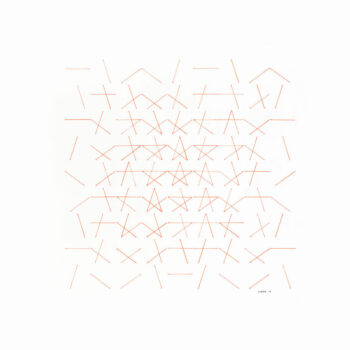
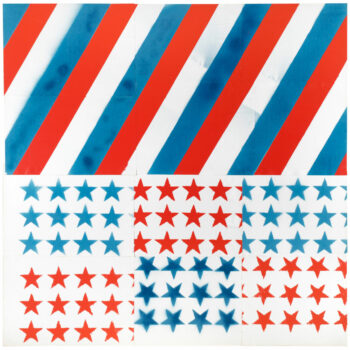
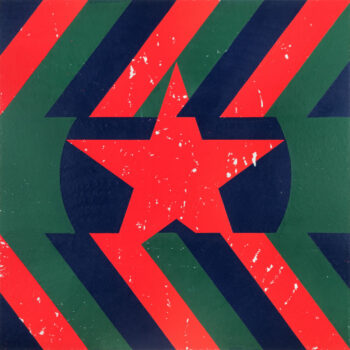
Montage-editing is one of the methodological starting points of my art. My works are built on juxtaposing, destabilizing and shaking up images and ideas. When unmatched pairs of elements meet or collide, meanings begin to shift and become uprooted. Something unexpected arises. I’m inquisitive in terms of material and technique. My works may be collages, paintings, serigraphs, photographs, etchings, drawings, videos, installations or something else. The means are varied and shaped by each project. I often collaborate with colleagues from different fields, including film directors, photographers, graphic artists, musicians and poets. My work also has parallels to essays. My exhibitions are often projects that analyse a specific issue – such as the Soviet system, Alvar Aalto’s modernism or the way of life in Odessa. I approach each problem through images and materials, shaking up concepts.
As an artist, I am self-taught. As a teenager in the 1960s, my sensitivity was stimulated by the punchy montage of Godard’s films and the complicated distortion of the Rolling Stones’ sound, which then mingled with Marxism-Leninism in the 1970s. Writing criticism was my art school. My participation in the Whitney Independent Study Program in New York in the 1980s sharpened my understanding of art, as did my academic studies at the University of Helsinki. I hold a doctoral degree in philosophy and am an Adjunct Professor of Aesthetics.
I have held more than 20 solo exhibitions and participated in numerous group exhibitions. My works are included in the collections of the Kiasma Museum of Contemporary Art, the Helsinki Art Museum (HAM), the Konstsamfundet association/the Amos Rex Art Museum, the Espoo Museum of Modern Art (EMMA), the Pori Art Museum, Oulu Art Museum, the Finnish State Art Deposit Collection, Jenny and Antti Wihuri Foundation, Heino Art Foundation, the Pekka Halonen Collection at the Kuopio Art Museum and the Swanljung Collection at the Kuntsi Museum of Modern Art.
As an artist, I am self-taught. As a teenager in the 1960s, my sensitivity was stimulated by the punchy montage of Godard’s films and the complicated distortion of the Rolling Stones’ sound, which then mingled with Marxism-Leninism in the 1970s. Writing criticism was my art school. My participation in the Whitney Independent Study Program in New York in the 1980s sharpened my understanding of art, as did my academic studies at the University of Helsinki. I hold a doctoral degree in philosophy and am an Adjunct Professor of Aesthetics.
I have held more than 20 solo exhibitions and participated in numerous group exhibitions. My works are included in the collections of the Kiasma Museum of Contemporary Art, the Helsinki Art Museum (HAM), the Konstsamfundet association/the Amos Rex Art Museum, the Espoo Museum of Modern Art (EMMA), the Pori Art Museum, Oulu Art Museum, the Finnish State Art Deposit Collection, Jenny and Antti Wihuri Foundation, Heino Art Foundation, the Pekka Halonen Collection at the Kuopio Art Museum and the Swanljung Collection at the Kuntsi Museum of Modern Art.